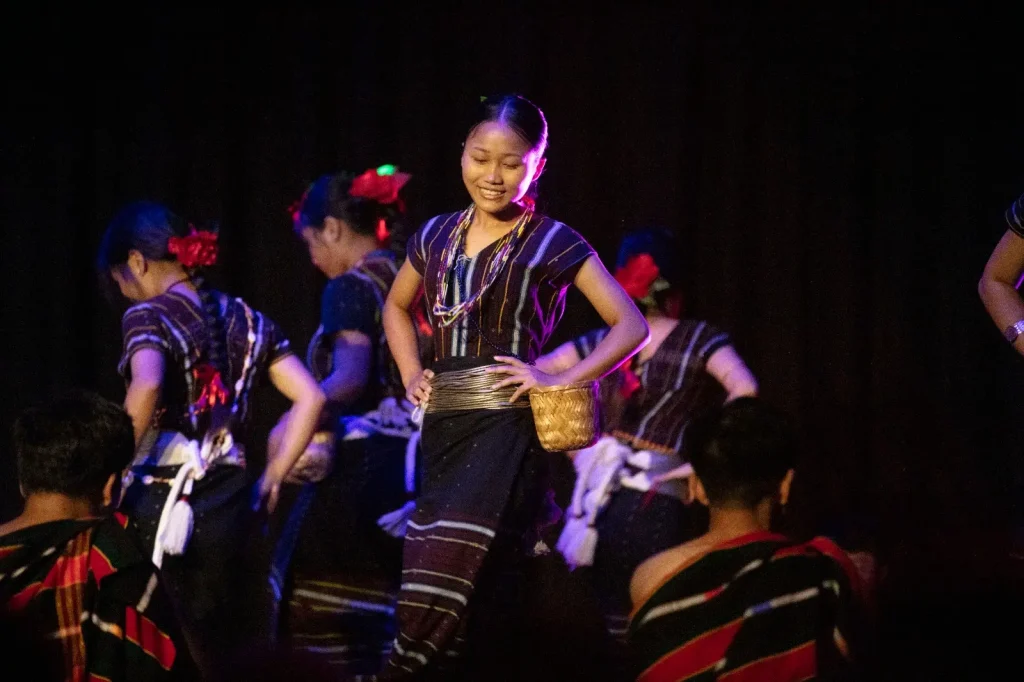
In a world where mental health challenges continue to rise, communities are returning to something ancient, beautiful, and deeply human — movement, rhythm, and culture.
At Imanzi Cultural Collective, we believe that healing doesn’t always come in silence. Sometimes, it comes through song. Through rhythm. Through the shared stories etched in movement.
Dance as Emotional Release
For generations, cultures around the world have used dance not just for celebration, but for healing. In many African traditions, communal dancing is a space where grief, joy, struggle, and hope are expressed freely.
Dance gives the body a chance to release emotions stored in the nervous system — especially trauma. It allows individuals to:
- Feel grounded in their bodies
- Reconnect with themselves
- Process emotions beyond words
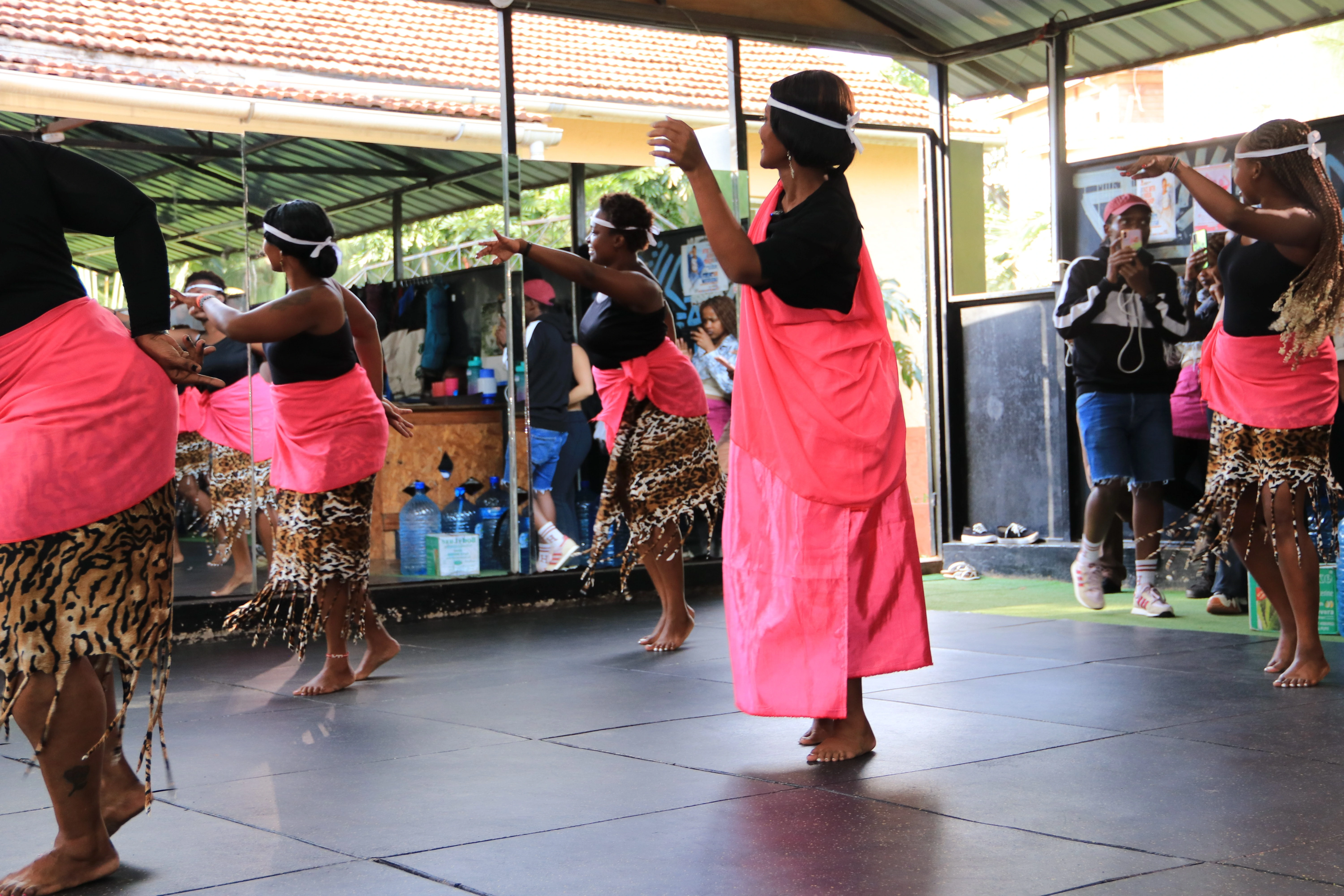
Cultural Expression as Collective Resilience
Culture carries ancestral wisdom that reminds us we are not alone. Songs, rituals, and traditional dances are vessels of identity — and when someone reconnects with their roots, they often rediscover:
- A sense of belonging
- Intergenerational strength
- The healing power of shared meaning
For those struggling with anxiety, depression, or trauma, engaging in culturally grounded practices can be a lifeline.
The Science Agrees
Studies show that dance-based movement therapy can:
- Reduce cortisol (stress hormone)
- Boost serotonin (mood enhancer)
- Improve emotional expression in people living with PTSD
Combined with cultural familiarity, the impact becomes even more powerful — it’s not just therapy, it’s homecoming.
Healing Happens Together
At Imanzi, we offer workshops that blend movement, storytelling, and cultural rituals. These aren’t performances — they are safe spaces for transformation.
We’ve seen it:
- In the tears that fall during a collective drumbeat
- In the laughter that follows a traditional circle dance
- In the relief of someone saying, “I feel seen.”
Final Word
Healing doesn’t have to be clinical. Sometimes, it’s a beat. A gesture. A shared rhythm.
By weaving culture and dance into mental health work, we return to ourselves — and to each other.
Leave a Reply